


Understanding organic and natural labels in cosmetics


Today, store shelves are full of cosmetics labelled “organic” or “natural”. Yet they do not all meet the same standards. With so many terms around, it is essential to know how to tell genuine organic and natural cosmetics apart from simple marketing promises.
Certified organic labels play a crucial role in shopping responsibly and transparently. This article will help you recognize reliable cosmetic labels, understand how they work and choose your beauty products wisely.
Why are organic labels essential in cosmetics?
Organic certifications are not just logos. They represent a rigorous approach that respects both health and the environment. These labels ensure that the ingredients used in a product are strictly regulated.
Choosing a certified organic product means getting a healthier formula. It also means supporting committed cosmetics with a responsible product life cycle, from raw materials to manufacturing processes.
What are the main organic and natural certifications in cosmetics?
Popular eco-labels (CosméBio, Ecocert, Cosmos Organic…)
In the field of eco-friendly cosmetics, several recognized labels stand out. Ecocert, an independent inspection body, is the world leader in certifying natural and organic cosmetics. It certifies organic cosmetics according to precise criteria.
Another key player, the CosméBio label, brings together more than 400 committed brands. It is based on very strict specifications and ensures, among other things, that the cosmetic product contains at least 95% ingredients of natural origin.
Finally, the Cosmos Organic label, an international standard, brings European certifications together under one demanding charter. It includes Cosmos Natural for natural products and Cosmos Organic for certified organic products.
CosméBio: a benchmark label in organic cosmetics
Created in 2002, CosméBio is a pioneer in organic cosmetics. It upholds strong values: natural formulas, organic raw materials and reduced environmental impact.
This label certifies cosmetics at three levels: Cosmos Natural, Bio and Eco. It requires in particular that at least 20% of the total product is organic and that 95% of the ingredients are of natural origin. Inspections are carried out by bodies such as Ecocert, which guarantees a reliable process.
What is the COSMOS standard?
The COSMOS standard is the result of a collaboration between several organizations. Its goal is to standardize the certification of natural and organic cosmetics internationally. It takes a global approach that considers:
- The quality of the raw materials used
- Manufacturing processes
- Respect for biodiversity
- The impact of the product life cycle
It is now one of the strictest and most widely recognized standards, used in 82 countries around the world.
How does a cosmetic get an organic label?
The certification process explained
To certify an organic cosmetic, the manufacturer must submit a complete file to an approved body. That body assesses the formula, production methods, packaging and labelling. Regular audits are carried out to make sure the specifications are met.
Formulation requirements
Products must contain as many organic or natural ingredients as possible, exclude controversial substances (silicones, synthetic dyes, artificial fragrances…) and use environmentally friendly packaging. Every production step is tracked, documented and must be transparent.
Ingredients and formula: what an organic label guarantees
The difference between natural and organic ingredients
A natural ingredient comes from nature (plant, mineral, water) without excessive chemical processing. An organic ingredient comes from organic farming, without pesticides, and meets strict standards. Certified organic products therefore favour organic ingredients.
Raw materials to look for
In organic cosmetics, you will often find:
- Cold-pressed plant oils (argan, jojoba, sesame…)
- Soothing floral waters
- Extracts of medicinal or aromatic plants
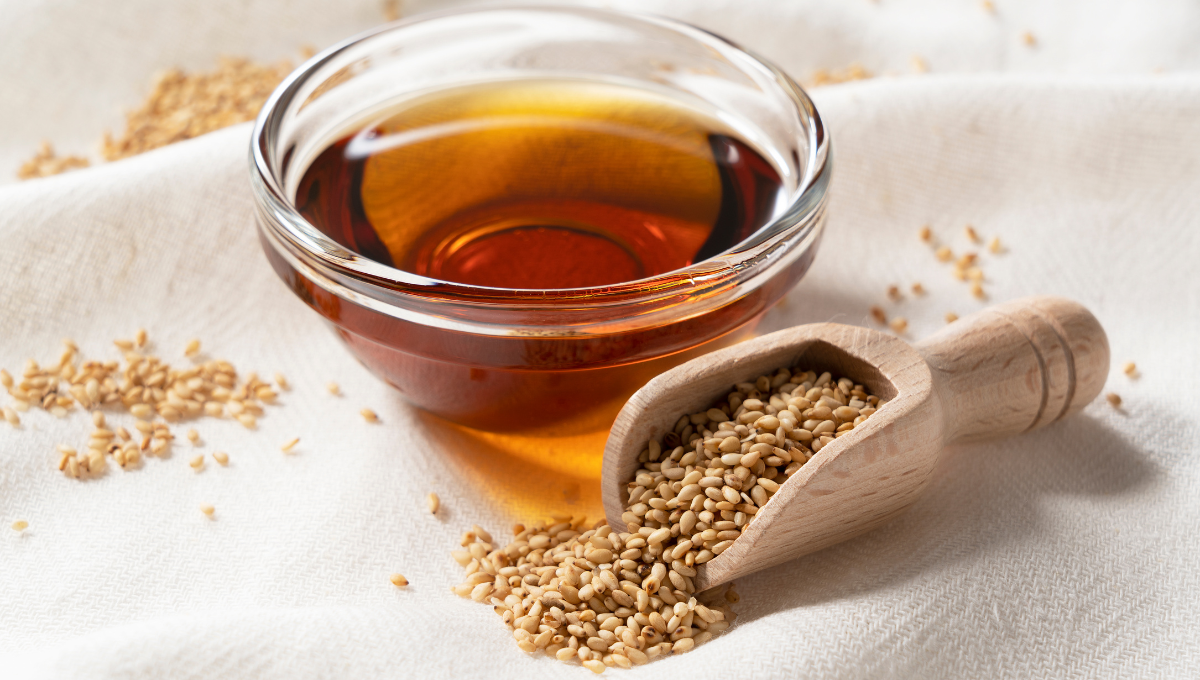
These natural raw materials are chosen for their effectiveness, their skin tolerance and their low environmental impact.
How to read an INCI list?
The INCI list (International Nomenclature of Cosmetic Ingredients) shows all the components of a product. To make an informed choice:
- Look for names in Latin (from plants)
- Check the share of organic ingredients
- Be wary of overly complex or chemical names
Organic cosmetics, the environment and ethics
A positive impact on the environment
Natural and organic cosmetics reduce soil, water and air pollution. Manufacturing processes use less energy and favour gentle techniques. The product life cycle is designed to limit waste.
Products not tested on animals
Most organic certifications, including CosméBio, ban animal testing. This is a strong value shared by Laboratoires PHYT’S, which develops ethical products that respect living things.
Slow cosmetics and labels: the same fight?
The slow cosmetics movement encourages mindful consumption, where quality comes before quantity. This approach is in line with eco-labels, which favour short, effective and clean formulas.
How to choose a genuine organic cosmetic?
Good habits to adopt
Before buying an eco-friendly product, it is essential to:
- Check for official logos
- Read the full ingredient list
Logos, claims and packaging to decode
Each organic logo corresponds to a level of certification. Learn to tell recognized labels (CosméBio, Ecocert, Cosmos Organic) from misleading symbols. Claims must be clear and verifiable.
The future of labels in organic cosmetics
New trends and consumer expectations
Consumers today are looking for more transparency, traceability and environmental commitment. Ethical labels will have to adapt to these new expectations.
Innovation in manufacturing processes
Organic cosmetics manufacturers are investing in innovative techniques: cold extraction, local production, eco-design. Projects like those led by Laboratoires PHYT’S strengthen the credibility of the sector.